Acne Pressure Points: Natural Relief for Breakouts, Hormonal Acne & Inflamed Skin
Brief Introduction
Acne pressure points offer a natural, drug-free approach to managing one of the most common skin conditions in the world — affecting an estimated 85% of people at some point in their lives. By stimulating specific acupressure points along the body’s energy meridians, you can help reduce facial inflammation, regulate hormone levels, support liver detoxification, and calm the immune-driven skin responses that cause pimples, blackheads, cysts, and breakouts. In Traditional Chinese Medicine (TCM), acne is primarily understood as an accumulation of excess Heat and Dampness in the Lung and Stomach meridians, often compounded by Liver Qi stagnation and hormonal imbalance. Acupressure for acne works by clearing this excess Heat, improving circulation to the skin, and rebalancing the meridian systems that govern skin health and hormonal regulation. Pressure point therapy is most effective as part of a holistic skincare plan that includes dietary support, stress management, and appropriate medical oversight when needed. Always consult a dermatologist for severe, cystic, or scarring acne — these forms require professional medical care.
⚠ Medical Warning
Pressure Points Guide does not offer medical advice. Any information provided on this site should not be construed as medical advice. Pressure Points Guide provides information on alternative and holistic techniques for acne relief and skin wellness. Results may vary depending on the condition and individual differences, and guides may not work for everyone. Always consult a licensed healthcare professional before starting any new treatment or using pressure points for acne concerns. Do not use acupressure as a replacement for prescribed acne medications, topical treatments, or dermatological therapies recommended by your doctor.
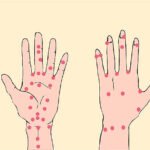
Click To View Acne Pressure Points
SP 10 – Sea of Blood
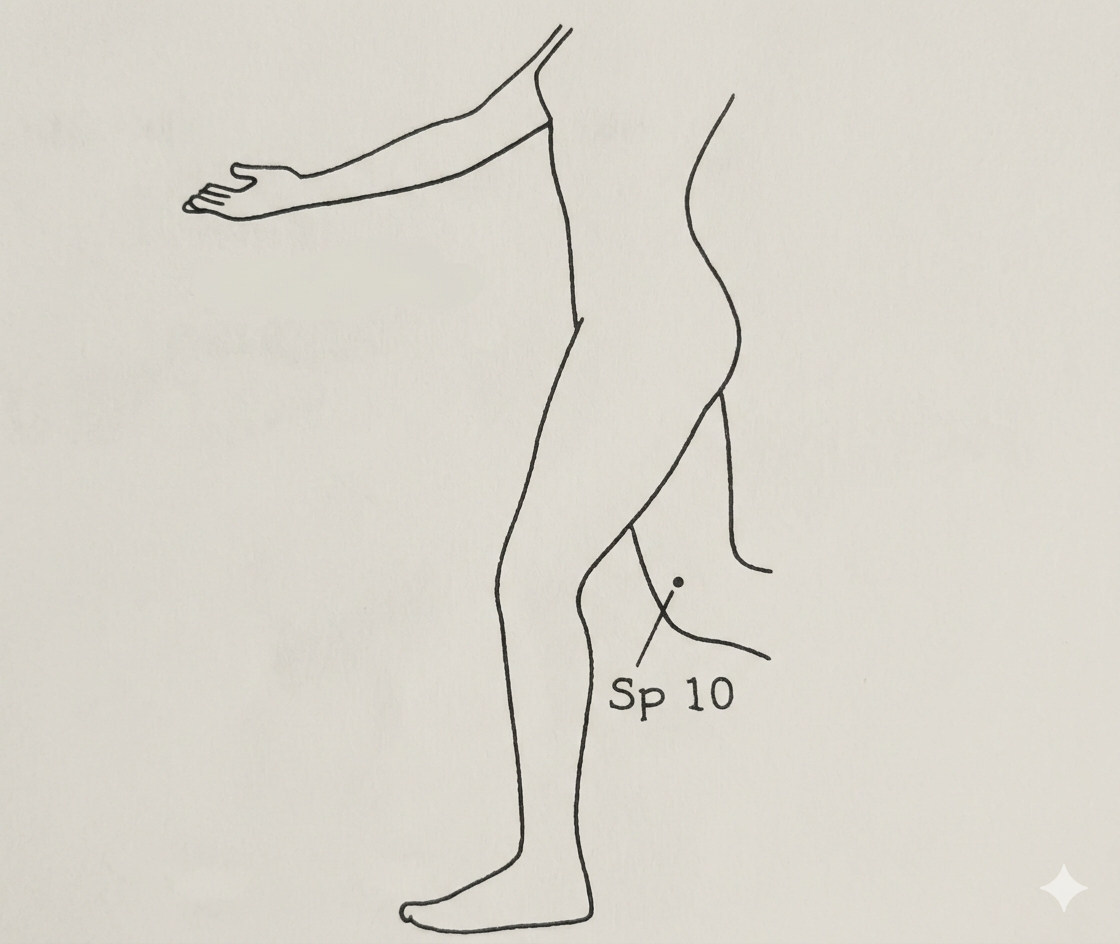
Location: Located on the inner thigh, approximately 2 inches above the upper border of the kneecap, on the bulge of the inner quadriceps muscle.
How to apply: Use your thumb to apply firm, circular pressure for 1–2 minutes on each leg. SP 10 is one of the most important points for hormonal acne, blood purification, and reducing the systemic inflammation that drives cystic and menstrual breakouts. It clears Heat and Dampness from the Blood, making it the primary point for inflammatory skin conditions in TCM.
PC 6 – Inner Gate
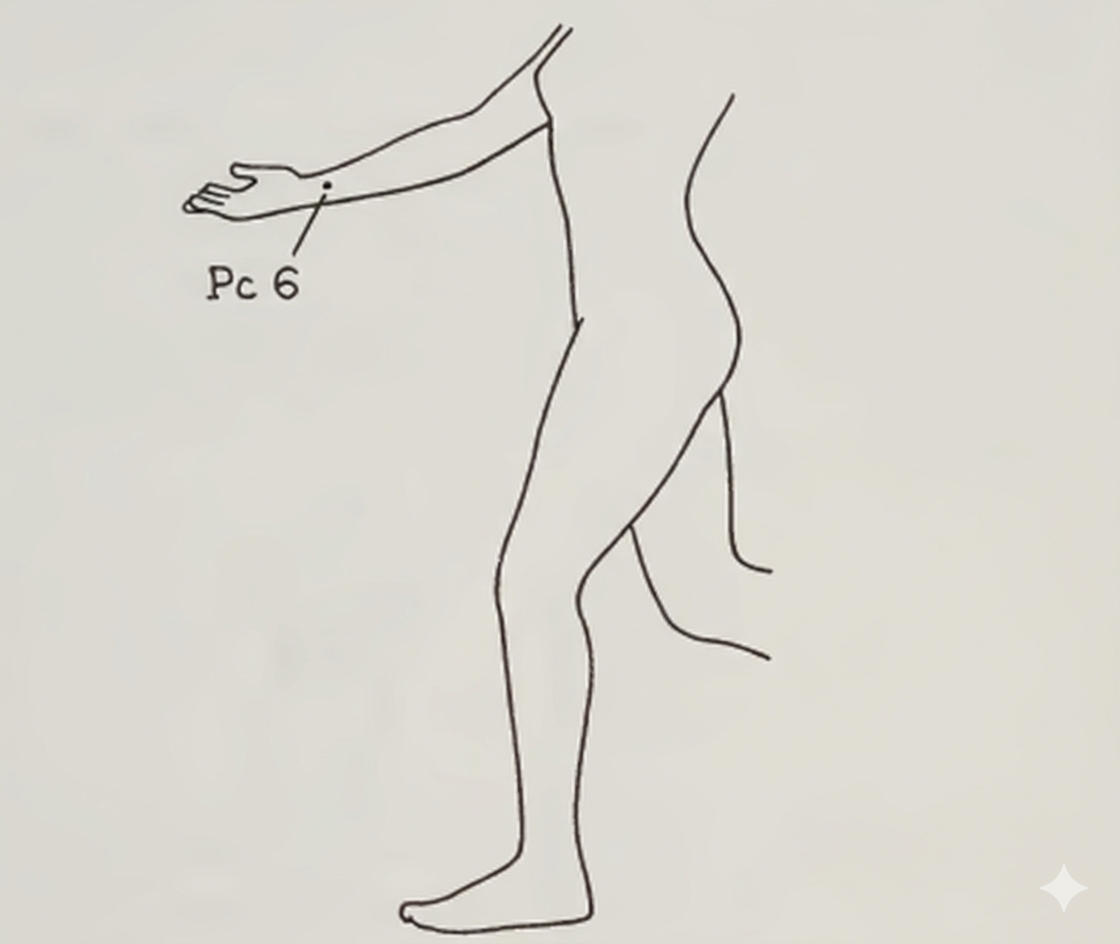
Location: Located on the inner forearm, approximately 2 finger-widths above the wrist crease, between the two central tendons (palmaris longus and flexor carpi radialis).
How to apply: Use the opposite thumb to apply firm, steady pressure for 1–2 minutes on each wrist. PC 6 calms the Heart and regulates Qi flow through the Pericardium Meridian, helping to reduce stress-driven cortisol spikes — a major trigger for inflammatory acne breakouts. It also supports cardiovascular circulation, which improves nutrient and oxygen delivery to the skin for faster healing.
PC 4 – Xi-Cleft Gate
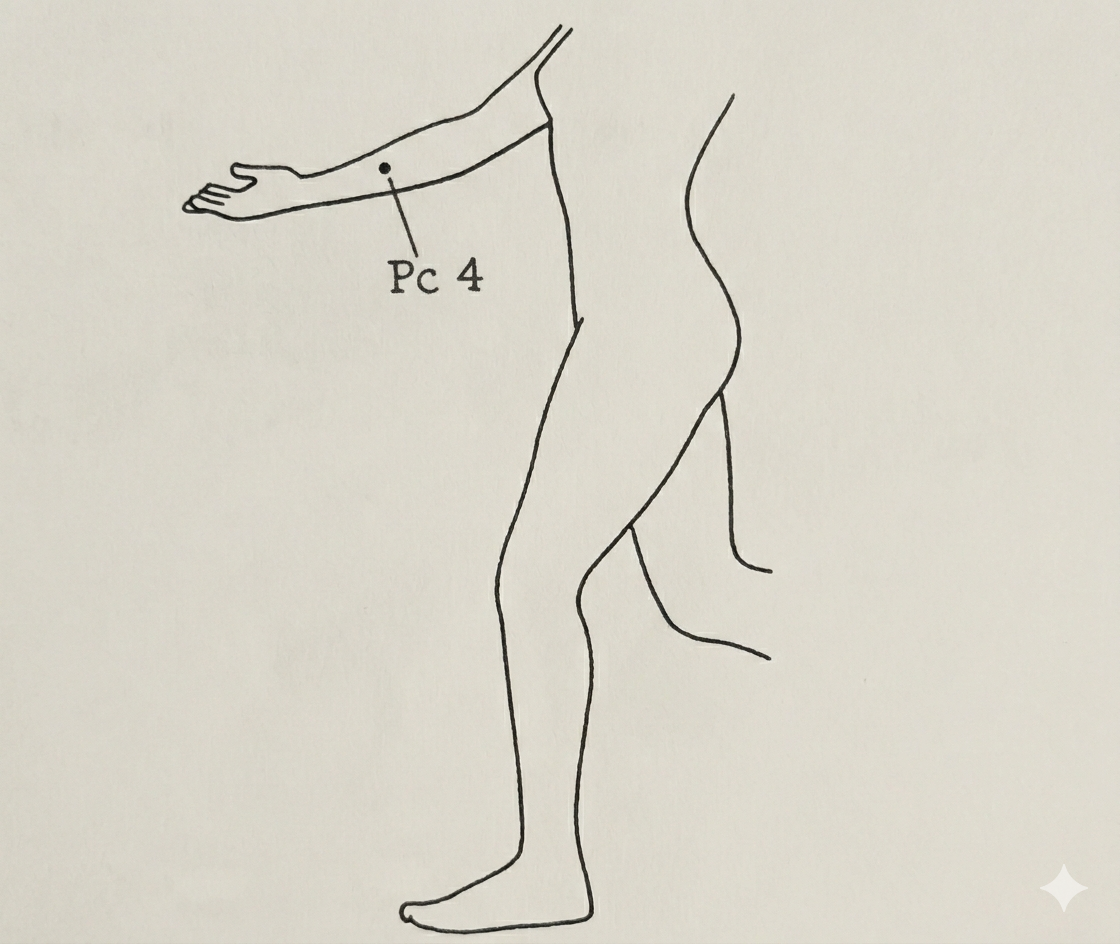
Location: Found on the inner forearm, approximately 5 finger-widths above the wrist crease, between the two central tendons — directly above PC 6 on the same meridian line.
How to apply: Press firmly with the thumb for 1–2 minutes on each arm. PC 4 is the Xi-Cleft (accumulation) point of the Pericardium Meridian, making it especially effective for acute and inflammatory skin conditions. In TCM, it cools Blood Heat, reduces inflammation, and supports the detoxification processes that help clear persistent acne — particularly deep, painful nodules and cysts associated with Blood stagnation.
What Is Acne?
Acne vulgaris is a chronic inflammatory skin condition that occurs when hair follicles become clogged with sebum (skin oil), dead skin cells, and bacteria — primarily Cutibacterium acnes (formerly Propionibacterium acnes). This leads to the formation of whiteheads, blackheads, papules, pustules, nodules, and cysts across the face, chest, back, and shoulders. Acne is the most prevalent skin disease worldwide, affecting an estimated 9.4% of the global population at any one time, with peak incidence during adolescence due to hormonal changes that drive excess sebum production.
In Traditional Chinese Medicine, acne is not simply a surface skin condition. It is understood as a reflection of internal imbalances — most commonly Lung Heat, Stomach Fire, Liver Qi stagnation, and Blood Heat — that manifest on the skin. The location of acne on the face is used in TCM’s “face mapping” system to identify the underlying meridian imbalance: forehead acne relates to the digestive system and stress; cheek acne to the Lungs and respiratory system; chin and jawline acne to hormonal and reproductive organ imbalances.
What Causes Acne?
Acne develops through a combination of interrelated factors, both internal and external:
- Excess Sebum Production: Androgens (male hormones present in both sexes) stimulate the sebaceous glands to produce excess oil, which blocks pores and creates the ideal environment for bacterial growth.
- Hormonal Fluctuations: Puberty, menstrual cycles, pregnancy, polycystic ovary syndrome (PCOS), and menopause all trigger hormonal shifts that directly drive acne breakouts — particularly along the chin and jawline.
- Bacterial Overgrowth: Cutibacterium acnes thrives in clogged, oil-rich follicles and triggers the immune inflammatory response responsible for red, painful pimples and cystic nodules.
- Hyperkeratinization: Abnormal shedding of skin cells inside the follicle causes dead cells to clump together with sebum, forming comedones (blackheads and whiteheads) that block the pore.
- Diet & Gut Health: High-glycemic foods, dairy, processed sugar, and alcohol increase insulin-like growth factor (IGF-1), which stimulates sebum production. Poor gut microbiome diversity is now strongly linked to inflammatory skin conditions including acne.
- Chronic Stress: Elevated cortisol increases androgen activity and promotes sebum overproduction. In TCM, chronic stress causes Liver Qi stagnation, which generates internal Heat that rises to the face as breakouts.
- Cosmetics & Skincare Products: Comedogenic (pore-clogging) ingredients in makeup and skincare — such as certain silicones, coconut oil, and lanolin — can trigger or worsen acne mechanica and contact acne.
- Medications: Corticosteroids, lithium, certain antidepressants, and high-dose B12 supplements have been associated with drug-induced acne.
Types and Symptoms of Acne
- Comedonal Acne: Non-inflammatory blackheads (open comedones) and whiteheads (closed comedones) formed by clogged follicles. Common on the nose, forehead, and chin (the T-zone).
- Inflammatory Papules: Small, raised red bumps caused by bacterial infection within the follicle. Tender to the touch but without visible pus.
- Pustules: Inflamed, pus-filled lesions with a white or yellow center and red base — the classic “pimple.” Common on the face, chest, and back.
- Nodular Acne: Large, solid, painful lumps deep within the skin. More severe than papules and more likely to cause post-inflammatory hyperpigmentation (PIH) and scarring.
- Cystic Acne: The most severe form — deep, painful, pus-filled cysts that carry a high risk of scarring. Strongly associated with hormonal imbalances and often requires dermatological treatment.
- Hormonal Acne: Breakouts concentrated along the lower face, jawline, and chin that flare in relation to menstrual cycles, stress, or hormonal changes. Common in adult women aged 20–50.
- Post-Inflammatory Hyperpigmentation (PIH): Dark spots or discoloration left behind after a pimple heals. More pronounced in medium-to-deep skin tones and worsened by sun exposure.
- Acne Scarring: Permanent changes to skin texture including icepick scars, boxcar scars, rolling scars, and hypertrophic (raised) scars resulting from severe inflammatory acne.
Body Systems & Meridians Involved in Acne
- Integumentary System: The skin is the primary site of acne — specifically the pilosebaceous units (hair follicle + sebaceous gland) distributed across the face, neck, chest, back, and shoulders.
- Endocrine System: Hormonal regulation — particularly androgens, insulin, IGF-1, and cortisol — is central to acne pathogenesis. Hormonal therapies are among the most effective medical treatments for persistent adult acne.
- Immune System: The innate immune response to C. acnes bacteria drives the inflammation responsible for papules, pustules, and cysts.
- Digestive System: The gut-skin axis is a major emerging area of research. Gut dysbiosis, leaky gut, and poor digestive health are now recognized as significant contributors to inflammatory skin conditions including acne.
- Spleen Meridian (TCM): Spleen Qi deficiency leads to internal Dampness accumulation, producing phlegm-type cystic lesions and oily skin. SP 10 directly addresses Blood Heat and is one of the most powerful points for clearing inflammatory skin conditions rooted in this pattern.
- Pericardium Meridian (TCM): The Pericardium governs the Heart and emotional regulation in TCM. Stress, anxiety, and emotional suppression cause Heat to accumulate along this meridian, aggravating inflammatory acne. PC 6 and PC 4 are the key points for clearing this Heat and calming the nervous system’s contribution to breakouts.
- Heart & Blood (TCM): Blood Heat is a primary TCM pattern driving red, inflamed, cystic acne. PC 4, as the Xi-Cleft point of the Pericardium, is especially effective for acute Blood Heat conditions — making it particularly useful during active, painful flares.
Risk Factors for Acne
- Age & Puberty: Adolescence is the highest-risk period due to the surge in androgen hormones that drives sebum overproduction. However, adult acne (particularly in women) is increasingly common and often persists into the 30s, 40s, and beyond.
- Family History: Acne has a strong genetic component. If both parents had significant acne, you are at substantially increased risk of developing it as well.
- Hormonal Conditions: PCOS, androgen excess disorders, thyroid imbalances, and adrenal dysfunction all increase acne risk significantly, especially in women.
- Diet: High-glycemic diets (white bread, sugary drinks, processed foods) and high dairy consumption — particularly skim milk — are consistently linked to increased acne severity in research studies.
- Chronic Stress: Elevates cortisol and androgens, directly stimulating sebaceous gland activity and triggering inflammatory acne flares.
- Cosmetic & Skincare Habits: Over-washing, harsh scrubbing, comedogenic products, and failing to remove makeup thoroughly can all worsen acne by disrupting the skin barrier and clogging pores.
- Smoking: Associated with a specific subtype called “smoker’s acne” (non-inflammatory comedonal acne), linked to oxidative stress and impaired follicular keratinization.
- Environmental Factors: High humidity, air pollution, and occupational exposure to oils (e.g., industrial workers) can trigger acne mechanica and contact-type breakouts.
Acne Face Mapping: What Your Breakouts Are Telling You
TCM face mapping links specific zones of facial acne to internal organ imbalances, providing a roadmap for targeted acupressure treatment:
- Forehead Acne: Associated with stress, poor sleep, dehydration, and a high-sugar diet. PC 6 is particularly helpful here for calming the stress response that drives forehead breakouts.
- Nose Acne (Blackheads): Linked to excess Heat in the Blood and poor circulation. Target PC 4 to cool Blood Heat and improve circulation to this area.
- Cheek Acne: Associated with respiratory health, stress, and poor digestion. PC 6 helps address the stress and emotional component linked to cheek breakouts.
- Chin & Jawline Acne: The classic location of hormonal acne, linked to the reproductive organs and Blood imbalances in TCM. SP 10 is the primary point for menstrual and hormonal breakouts in this zone.
- Around the Mouth: Associated with digestive imbalance and excess Heat. PC 4 supports Blood detoxification to reduce perioral inflammation.
- Back & Chest Acne: Linked to excess Heat and Dampness in the body. SP 10 and PC 4 together address the Blood Heat and systemic inflammation driving these breakouts.
Diet & Lifestyle Support for Clearer Skin
- Low-Glycemic Diet: Replacing high-glycemic foods (white rice, sugary snacks, refined bread) with low-GI alternatives (whole grains, legumes, vegetables) significantly reduces insulin and IGF-1 levels, which directly lowers sebum production and acne severity. Multiple randomized controlled trials support this approach.
- Reduce Dairy: Particularly skim milk, which contains hormonal precursors that stimulate sebum production. Consider switching to plant-based alternatives such as oat, almond, or soy milk if dairy appears to trigger your breakouts.
- Anti-Inflammatory Foods: Prioritize oily fish (salmon, sardines, mackerel) for omega-3 fatty acids, which reduce prostaglandin-driven inflammation in the skin. Include turmeric, ginger, dark leafy greens, and berries daily.
- Gut Health: The gut-skin axis is now well-established in research. Eating fermented foods (yogurt, kefir, kimchi, sauerkraut), prebiotic-rich foods (garlic, onions, oats, leeks), and high-fiber vegetables supports a balanced gut microbiome — a key factor in reducing systemic inflammation and acne.
- Zinc-Rich Foods: Zinc is one of the most evidence-backed nutrients for acne. It reduces inflammation, regulates sebum production, and inhibits C. acnes growth. Found in pumpkin seeds, oysters, beef, chickpeas, and fortified cereals. Zinc supplements (30–45 mg/day) have shown effectiveness comparable to some antibiotics in clinical trials.
- Stress Management: Practice daily mindfulness, meditation, yoga, or breathwork for at least 15–20 minutes. Stress-driven cortisol spikes are one of the most common triggers for acne flares, particularly hormonal jawline breakouts. Managing stress is not optional — it is a core part of any effective acne treatment plan. PC 6 acupressure pairs especially well with breathwork for stress-related skin concerns.
- Sleep: Prioritize 7–9 hours of quality sleep per night. During deep sleep, cortisol drops and human growth hormone (HGH) promotes skin cell repair and regeneration. Chronic sleep deprivation elevates cortisol and dramatically worsens inflammatory acne.
- Hydration: Drink at least 2 liters of water daily to support kidney filtration, lymphatic drainage, and skin cell hydration. Dehydrated skin overproduces sebum as a compensatory mechanism, worsening clogged pores.
- Exercise: Regular moderate exercise improves circulation, reduces stress hormones, and supports hormonal balance — all of which benefit skin health. Shower promptly after exercise to prevent sweat-induced acne (acne mechanica) on the face, back, and chest.
- Skincare Routine: Use gentle, non-comedogenic cleansers twice daily. Incorporate evidence-backed topical ingredients such as niacinamide (reduces sebum and inflammation), salicylic acid (unclogs pores), and azelaic acid (reduces bacteria and hyperpigmentation). Avoid over-stripping the skin, which triggers compensatory sebum overproduction.
When to See a Dermatologist for Acne
While acupressure and lifestyle changes can significantly improve mild-to-moderate acne, always consult a dermatologist if you experience:
- Severe cystic or nodular acne that is painful, widespread, or rapidly worsening.
- Acne that is leaving permanent scars or deep post-inflammatory hyperpigmentation.
- Adult acne that appears suddenly without a previous history — this may indicate an underlying hormonal disorder such as PCOS or adrenal dysfunction.
- Acne that has not responded to consistent over-the-counter treatments after 2–3 months.
- Significant psychological distress, social withdrawal, or depression related to your skin condition.
- Signs of a hormonal imbalance alongside acne — such as irregular periods, excess facial hair (hirsutism), or unexplained weight gain.
Note: Acupressure is a complementary approach — not a substitute for dermatological care. For moderate-to-severe acne, combining pressure point therapy with medical treatment from a qualified dermatologist produces the best outcomes.
Additional Natural Remedies for Acne
Tea Tree Oil: One of the most well-studied natural topical treatments for acne. A 5% tea tree oil gel has been shown in clinical trials to significantly reduce both total acne lesion count and acne severity. Always dilute with a carrier oil (e.g., jojoba) before applying to skin to avoid irritation.
Spearmint Tea: Spearmint has anti-androgenic properties and has shown promise in small clinical trials for reducing hormonal acne in women. Drinking 1–2 cups of spearmint tea daily may help reduce androgen-driven sebum overproduction over several months.
Vitamin A (Retinoids): Topical retinoids (tretinoin, adapalene) are among the most evidence-backed treatments for acne — they normalize follicular keratinization and prevent comedone formation. Available by prescription (tretinoin) or over-the-counter (adapalene 0.1% gel). Dietary vitamin A from orange and yellow vegetables supports skin cell turnover.
Niacinamide (Vitamin B3): A highly versatile topical ingredient that reduces sebum production, minimizes pore appearance, calms inflammation, and fades post-inflammatory hyperpigmentation. One of the most skin-compatible active ingredients available without a prescription.
Acupuncture: Regular sessions with a licensed acupuncturist can complement home acupressure by addressing deeper meridian imbalances — particularly Blood Heat and Pericardium Qi stagnation — that drive hormonal and cystic acne. Several clinical studies support acupuncture as an effective adjunct therapy for inflammatory acne vulgaris.
Probiotic Supplements: Emerging research supports the use of oral probiotics — particularly Lactobacillus and Bifidobacterium strains — for reducing inflammatory acne via the gut-skin axis. Combining oral probiotics with topical probiotic skincare may offer synergistic benefits for acne-prone skin.
Frequently Asked Questions About Pressure Points for Acne
This information is for educational purposes only and is not intended to replace professional medical advice, diagnosis, or treatment. Always consult your dermatologist or a qualified healthcare provider before beginning any new treatment or exercise regimen, particularly if you have severe acne, a hormonal disorder, or are currently using prescribed acne medications.