Allergy Pressure Points: Natural Relief for Sneezing, Congestion & Itchy Eyes
Brief Introduction
Allergy pressure points offer a natural, drug-free way to manage common allergy symptoms — including sneezing, nasal congestion, itchy and watery eyes, sinus pressure, and skin reactions — by stimulating key acupressure points along the body’s energy meridians. Allergic reactions occur when the immune system overreacts to harmless substances like pollen, dust mites, pet dander, or certain foods, triggering an inflammatory cascade that leads to the familiar symptoms of hay fever, seasonal allergies, and allergic rhinitis. Acupressure for allergies works by calming this immune overreaction, reducing histamine-driven inflammation, and encouraging the flow of Qi through the Lung and Large Intestine meridians — the primary meridian system governing respiratory health in Traditional Chinese Medicine. Pressure point therapy is most effective as part of a broader allergy management plan that includes allergen avoidance, dietary support, and medical oversight when needed. Seek emergency care immediately if you experience throat swelling, difficulty breathing, or signs of anaphylaxis — these are life-threatening emergencies.
⚠ Medical Warning
Pressure Points Guide does not offer medical advice. Any information provided on this site should not be construed as medical advice. Pressure Points Guide provides information on alternative and holistic techniques for allergy relief and wellness. Results may vary depending on the condition and individual differences, and guides may not work for everyone. Always consult a licensed healthcare professional before starting any new treatment or using pressure points for allergy concerns. Do not use acupressure as a replacement for prescribed allergy medication, epinephrine auto-injectors, or immunotherapy prescribed by your doctor.
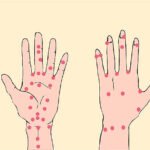
Click To View Allergy Pressure Points
B 10 – Celestial Pillar
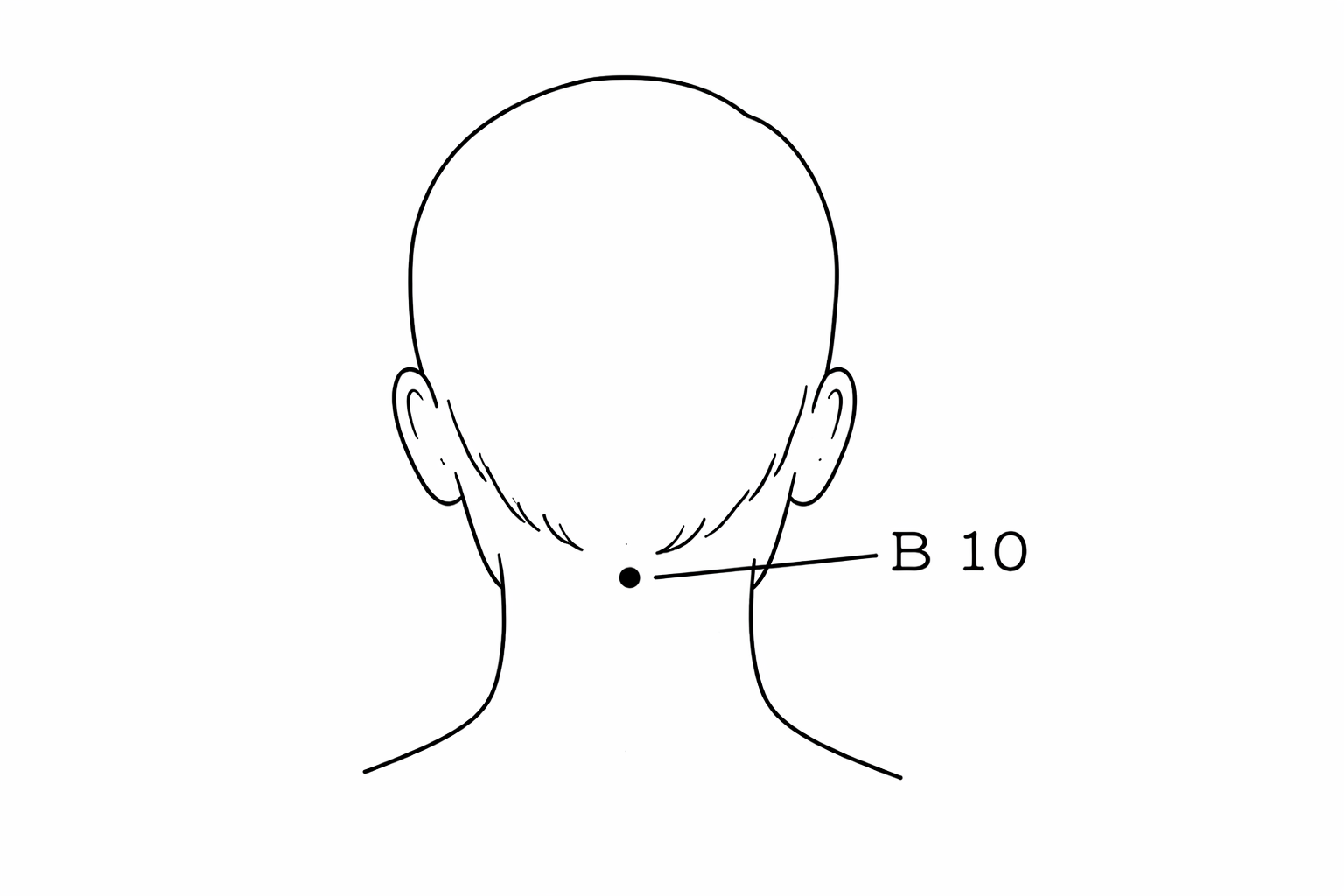
Location: Located on the neck muscles about 1/2 inch below the base of the skull and 1/2 inch outward from the spine. It sits approximately 1/2 inch within the neck’s hairline.
How to apply: Use the index and middle fingers together to press directly on the point. Alternatively, interlace your fingers behind your head, grasp the neck, and press firmly for about 1 minute.
 Unlock Full Guide
What Are Allergies?
Allergies occur when the immune system misidentifies a harmless substance — known as an allergen — as a threat, and mounts an exaggerated defensive response. Common allergens include pollen, mold spores, dust mites, pet dander, insect stings, latex, and certain foods or medications. This immune overreaction triggers the release of histamine and other inflammatory chemicals, producing the wide range of symptoms associated with allergic disease.
Allergies affect an estimated 30–40% of the global population, making them among the most common chronic health conditions worldwide. In Traditional Chinese Medicine (TCM), allergies are viewed as a weakness or imbalance in Wei Qi — the body’s protective energy — combined with excess Wind and Heat invading the respiratory system.
What Causes Allergic Reactions?
The root cause of an allergic reaction is an overactive immune response. Key contributing factors include:
- Pollen (Hay Fever / Allergic Rhinitis): Tree, grass, and weed pollen are the most common triggers of seasonal allergy symptoms, including sneezing, nasal congestion, and itchy eyes.
- Dust Mites & Pet Dander: Year-round indoor allergens that trigger perennial (non-seasonal) allergic rhinitis and can worsen asthma.
- Mold Spores: Airborne mold particles, particularly in damp environments, provoke respiratory allergy symptoms and sinus congestion.
- Food Allergens: Peanuts, tree nuts, shellfish, eggs, milk, wheat, and soy are responsible for the majority of food-related allergic reactions.
- Stress & Immune Imbalance: Chronic stress suppresses immune regulation, making the body more susceptible to allergic overreaction. TCM identifies this as a deficiency in Lung and Spleen Qi.
Symptoms of Allergies
- Nasal Symptoms: Sneezing, runny nose (rhinorrhea), nasal congestion, and postnasal drip.
- Eye Symptoms: Itchy, red, watery eyes (allergic conjunctivitis).
- Sinus Symptoms: Facial pressure, sinus headaches, and reduced sense of smell.
- Respiratory Symptoms: Coughing, wheezing, shortness of breath, and throat irritation — particularly in those with allergic asthma.
- Skin Symptoms: Hives (urticaria), eczema (atopic dermatitis), and itching.
- Digestive Symptoms: Nausea, stomach cramps, vomiting, and diarrhea (primarily from food allergies).
- Systemic Reaction (Anaphylaxis): A rare but life-threatening reaction involving throat swelling, a severe drop in blood pressure, and loss of consciousness. Requires immediate emergency care.
Body Systems & Meridians Involved
- Immune System: The primary system involved — specifically the overproduction of IgE antibodies and histamine release from mast cells.
- Respiratory System: The nasal passages, sinuses, throat, bronchi, and lungs bear the brunt of airborne allergen exposure.
- Integumentary System: The skin is a primary site for allergic reactions including hives, eczema, and contact dermatitis.
- Lung Meridian (TCM): Governs the respiratory system and the body’s defensive Wei Qi. Runs from the chest to the thumb. Key acupressure points for allergy relief include Lu 7 and Lu 9.
- Large Intestine Meridian (TCM): Closely paired with the Lung Meridian and governs the nose, sinuses, and skin. LI 4 and LI 20 are the most important acupressure points for nasal allergy symptoms.
- Stomach & Spleen Meridians (TCM): Support digestive immunity and are targeted for food allergy support and systemic immune regulation.
Risk Factors for Allergies
- Family History: Having one or both parents with allergies significantly increases your risk — allergic predisposition (atopy) is strongly heritable.
- Early Childhood Environment: Limited early exposure to microbes (the “hygiene hypothesis”) is associated with higher rates of allergic disease.
- Diet: Highly processed, low-fiber diets are linked to poor gut microbiome diversity and increased allergic reactivity.
- Chronic Stress: Prolonged stress disrupts immune regulation and can amplify allergic responses.
- Air Pollution & Smoke: Environmental irritants prime the respiratory system and lower the threshold for allergic reactions.
- Pre-existing Conditions: Having one allergic condition (e.g., eczema) significantly raises the risk of developing others — a progression known as the atopic march.
Diet & Lifestyle Support for Allergy Relief
- Anti-Inflammatory Diet: Focus on fruits, vegetables, oily fish (rich in omega-3s), and whole grains. These foods help modulate the immune response and reduce systemic inflammation that worsens allergy symptoms.
- Quercetin-Rich Foods: Quercetin is a natural flavonoid with potent anti-histamine properties. Foods high in quercetin include onions, apples, berries, capers, and green tea.
- Gut Health: A healthy gut microbiome is critical for balanced immune function. Include fermented foods (yogurt, kefir, kimchi, sauerkraut) and prebiotic-rich foods (garlic, leeks, oats) in your daily diet.
- Stress Management: Practice 15–20 minutes of daily mindfulness, meditation, or breathing exercises. Stress significantly amplifies histamine release and worsens allergy attacks.
- Local Raw Honey: Some practitioners recommend small daily amounts of local raw honey during allergy season as a form of natural desensitization to local pollen — though scientific evidence is preliminary.
- Allergen Avoidance: Track local pollen counts (especially during spring and autumn), use HEPA air purifiers, wash bedding weekly in hot water to control dust mites, and bathe pets regularly.
- Nasal Irrigation: Daily saline nasal rinses (neti pot) physically flush allergens and mucus from the nasal passages and can dramatically reduce seasonal allergy symptoms.
- Yoga & Breathwork: Poses like the Fish Pose (Matsyasana), Cobra, and forward folds open the chest and sinuses. Pranayama breathing techniques, particularly Nadi Shodhana (alternate nostril breathing), help regulate the nervous system and reduce respiratory reactivity.
When to Seek Emergency Care for Allergies
Call emergency services immediately if you or someone nearby experiences:
- Throat tightening, tongue swelling, or difficulty swallowing.
- Sudden difficulty breathing, wheezing, or gasping.
- A rapid, weak pulse or sudden drop in blood pressure.
- Dizziness, fainting, or loss of consciousness following allergen exposure.
- A known severe allergy — use your prescribed epinephrine auto-injector (EpiPen) immediately and call emergency services.
Note: Anaphylaxis is a medical emergency. Acupressure is never a substitute for epinephrine or emergency medical care in a severe allergic reaction. Every minute matters — act immediately.
Additional Natural Remedies for Allergies
Butterbur (Petasites hybridus): One of the most studied natural antihistamines, butterbur extract has shown comparable effectiveness to cetirizine (Zyrtec) in some clinical trials for seasonal allergic rhinitis. Use only PA-free (pyrrolizidine alkaloid-free) certified extracts.
Stinging Nettle (Urtica dioica): A traditional herbal remedy for hay fever, stinging nettle leaf extract may inhibit histamine production. Available in capsule or tea form.
Vitamin C: A natural antihistamine and antioxidant that helps break down histamine in the bloodstream. Found abundantly in citrus fruits, kiwi, bell peppers, and broccoli.
Bromelain: An enzyme found in pineapple that may reduce nasal swelling and improve breathing by thinning mucus. Often combined with quercetin in allergy support supplements.
Acupuncture: Regular acupuncture sessions from a licensed practitioner can complement home acupressure by targeting deeper meridian imbalances associated with chronic allergic disease. Multiple clinical trials support acupuncture as an effective adjunct therapy for allergic rhinitis.
Frequently Asked Questions About Pressure Points for Allergies
This information is for educational purposes only and is not intended to replace professional medical advice, diagnosis, or treatment. Always consult your physician or a qualified healthcare provider before beginning any new treatment or exercise regimen, particularly if you have a serious allergy history or are currently using prescribed allergy medications.