Brief Introduction
Angina attacks, characterized by chest pain from decreased oxygen supply to the heart, are often due to spasms or blockages in the coronary arteries. This pain frequently radiates to the left shoulder and arm, sometimes reaching the little finger. Pressure point therapy can help manage these symptoms, alongside lifestyle changes like a low-fat diet and stress reduction.
Medical Warning
Seek medical attention immediately if you experience your first angina attack and are not currently under a doctor’s care for a heart condition. Angina is a serious warning sign that should not be ignored.
CLICK TO VIEW PRESSURE POINTS
PC6 — Inner Gate
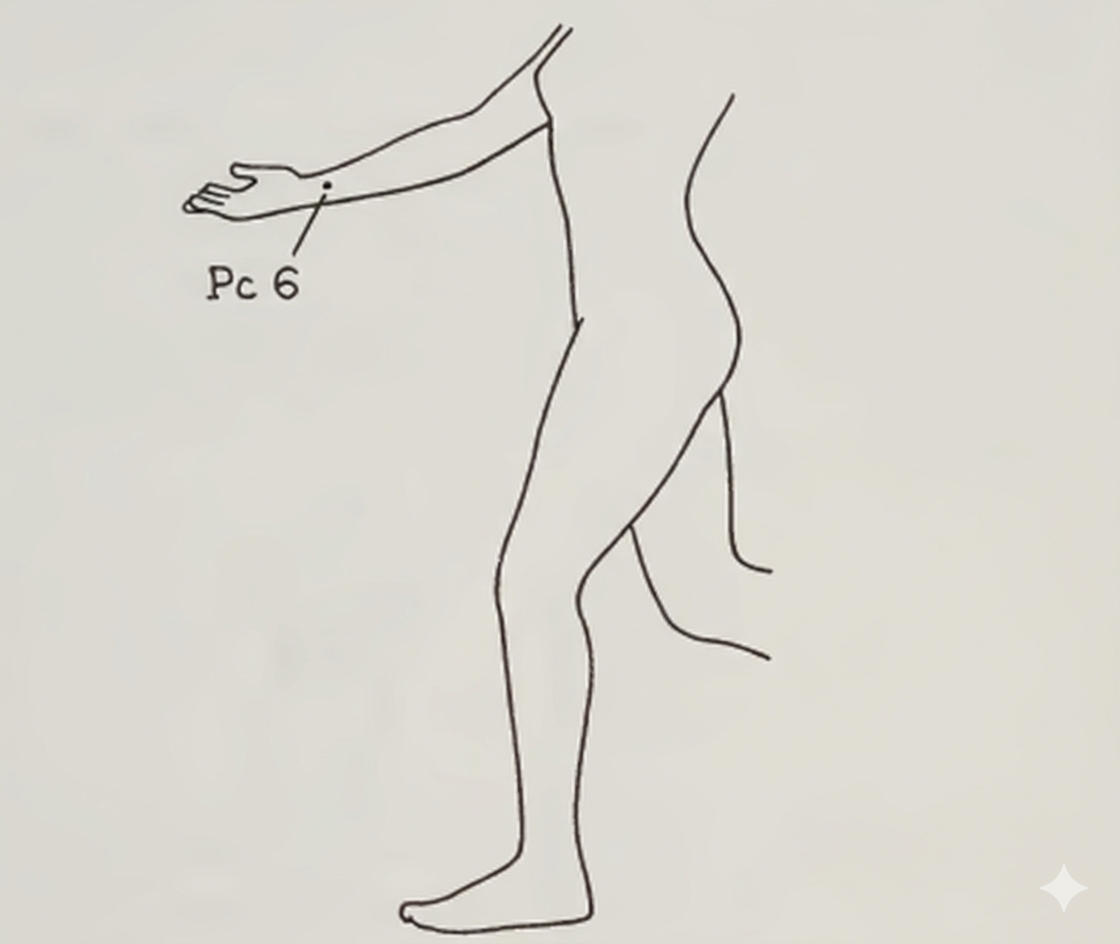
Location: You will locate this point on the palm side of your wrist, two thumb widths above the wrist crease in the center of the arm.
How to apply: Use medium pressure; build up gradually, hold about a minute, and gradually release. Be sure to do both wrists.

What Is Angina?
Angina consists of attacks of chest pain caused by a significant decrease in oxygen supply to the heart. This is usually the result of blockages or sudden spasms in the arteries leading directly to the heart muscle.
What Causes Angina?
Symptoms of Angina
The most common sign is intense chest pain. This pain often radiates to the shoulder and down the left arm, sometimes traveling all the way to the tip of the little finger.
Body Systems Involved
Angina primarily affects the Cardiovascular System, specifically the coronary arteries. In Oriental medicine, it involves the Heart Meridian and the Pericardium (Heart Protector) Meridian.
Risk Factors
Diet & Lifestyle Support
When to Seek Emergency Care
Important: If this is your first attack of angina, or if you are not currently under a doctor’s care for a heart condition, seek medical attention immediately. Angina is a warning sign that should never be ignored. Prompt medical attention significantly improves recovery chances.