Pressure Points:
A Simple Guide
Know Your Key Therapeutic Pressure Points
Discover the essential pressure points and how they influence pain relief, muscle relaxation, circulation, stress reduction, and overall well-being. Drawing from traditional Chinese medicine, Japanese shiatsu principles, and modern neuromuscular therapy, pressure point treatment focuses on stimulating specific locations on the body that affect both physical and energetic systems.
Some points help release deep muscular tension, others help improve organ function, while others support relaxation and emotional balance. Whether you are a beginner or an experienced practitioner, this guide provides clear insights into how pressure points work, how they should be applied, and how they can help restore natural balance within the body.
Pressure point therapy can be used for headaches, stress, anxiety, joint stiffness, digestive discomfort, fatigue, back pain, and much more. When applied correctly, the effects can be profound, offering both immediate relief and long-term improvement.
Sensations After Pressure Point Therapy
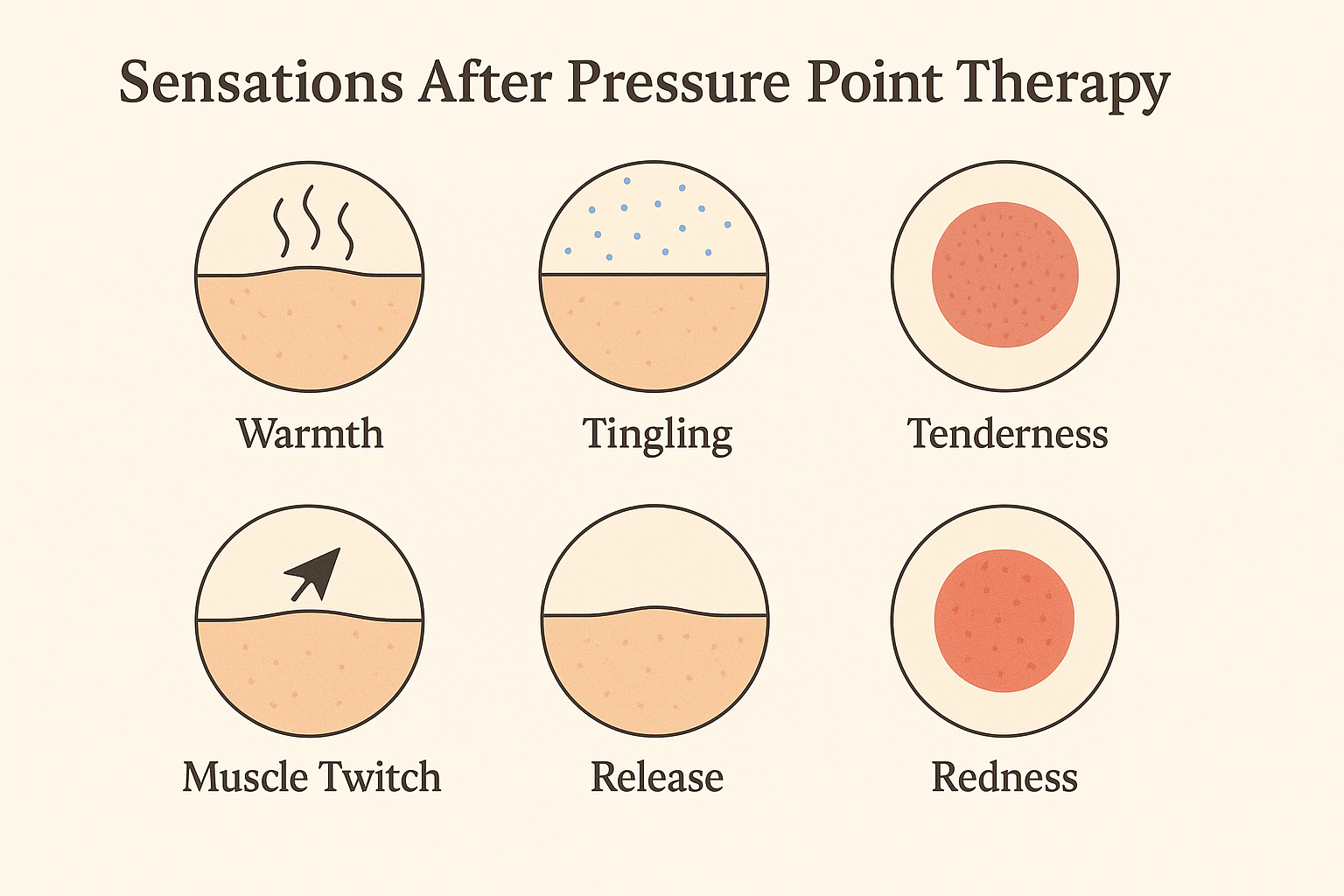
Pressure point stimulation affects the skin, nerves, and circulation in different ways. The skin may warm up due to increased blood flow, feel tingly as nerve pathways activate, or become lightly tender where tension was stored. A feeling of release or softening in the muscle beneath the point is common, and some areas may momentarily twitch as long-held tension lets go. These sensations reflect the body’s natural response to improved circulation, reduced stress, and the release of muscular or emotional tightness.
Some practitioners enhance pressure point therapy using additional tools:
Acupressure sticks
Precision tools designed to target small or sensitive pressure points—especially on the hands, feet, face, and ears. Their narrow tip allows for deeper, more controlled stimulation without straining your fingers, making them ideal for reaching points that require accuracy or sustained pressure.
Soft Silicone Rollers
Flexible rollers used along meridian pathways and large muscle groups. They provide a smooth, gliding effect that increases circulation, reduces tension, and warms the tissue before applying focused pressure. Perfect for relaxing tight areas and preparing the body for deeper point work.
Thumb Guards
Supportive covers worn over the thumb to reduce joint strain during deep or repetitive pressure point techniques. They help maintain steady pressure without fatigue, allowing longer sessions and better control especially useful for practitioners or anyone treating dense muscle knots.
Electric Acupressure Devices
Handheld tools that use gentle vibration or rhythmic pulses to stimulate pressure points without manual force. These devices are helpful for people with limited hand strength and offer consistent, controlled stimulation that supports relaxation and muscle release.
Warm Compresses
Simple but powerful. A warm compress applies heat before pressure point work, which relaxes muscles, softening tight tissue, and improving blood flow. Making points easier to access and more responsive. Warmth also enhances comfort and helps the body shift into a relaxed, healing state.
Pressure Point Therapy for Home Use
Pressure point self-therapy (no equipment required) is ideal for:
-
Stress relief
-
Pain management
-
Headaches
-
Neck + shoulder tension
-
Digestive discomfort
-
….and LOTS More
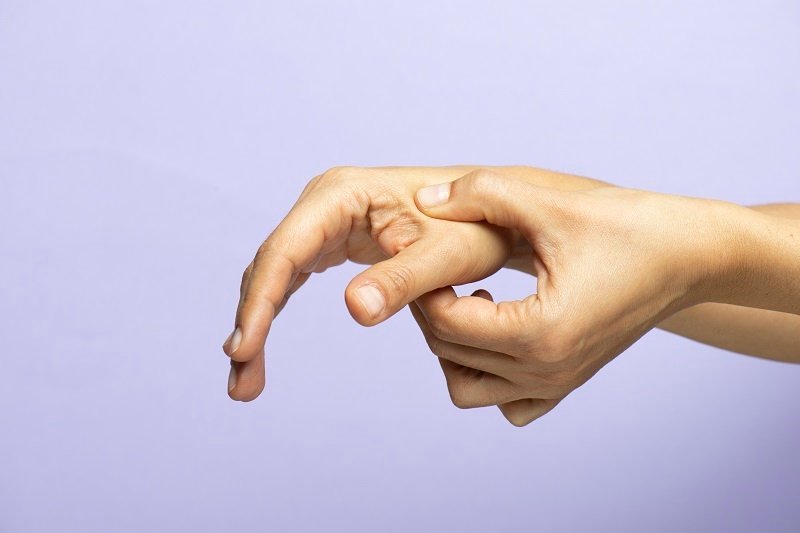
Your hands are the tool — thumbs, fingers, palms.
No machines or equipment required.
However, always follow:
-
Proper guidance
-
Moderate pressure
-
Avoiding broken or irritated skin
-
Avoiding pregnancy-restricted points unless advised
-
Consulting a professional if you have medical condition