The Modern Rise of Pressure Point Therapy
What Is The History of Pressure Point Therapy?
Pressure point therapy has deep roots across several ancient healing traditions, with its earliest foundations traced to East Asia. In China, the practice evolved through classical acupuncture and meridian theory, where specific points on the body were mapped as gateways for influencing energy flow, organ function, and physical well-being. These early systems identified hundreds of points connected through pathways known as meridians, forming the basis of what is now Traditional Chinese Medicine.
Japan later developed its own interpretation through shiatsu, a hands-on method focused on applying rhythmic pressure to key points to balance the body and calm the nervous system. Korea contributed additional refinements through techniques that emphasized hand and foot points, using micro-systems of the body to target internal imbalances.
Over time, as knowledge spread between cultures, pressure point therapy became integrated with modern understandings of anatomy, physiology, and neuromuscular function. Today, practitioners blend traditional meridian theory with contemporary concepts such as trigger points, nerve pathways, and circulatory response. This fusion of ancient insight and modern science has shaped pressure point therapy into a versatile, accessible method used globally for pain relief, relaxation, and overall balance.
“The natural healing force within each one of us is the greatest force in getting well.” – Hippocrates
Are There Any Side Effects After Applying Pressure Points?
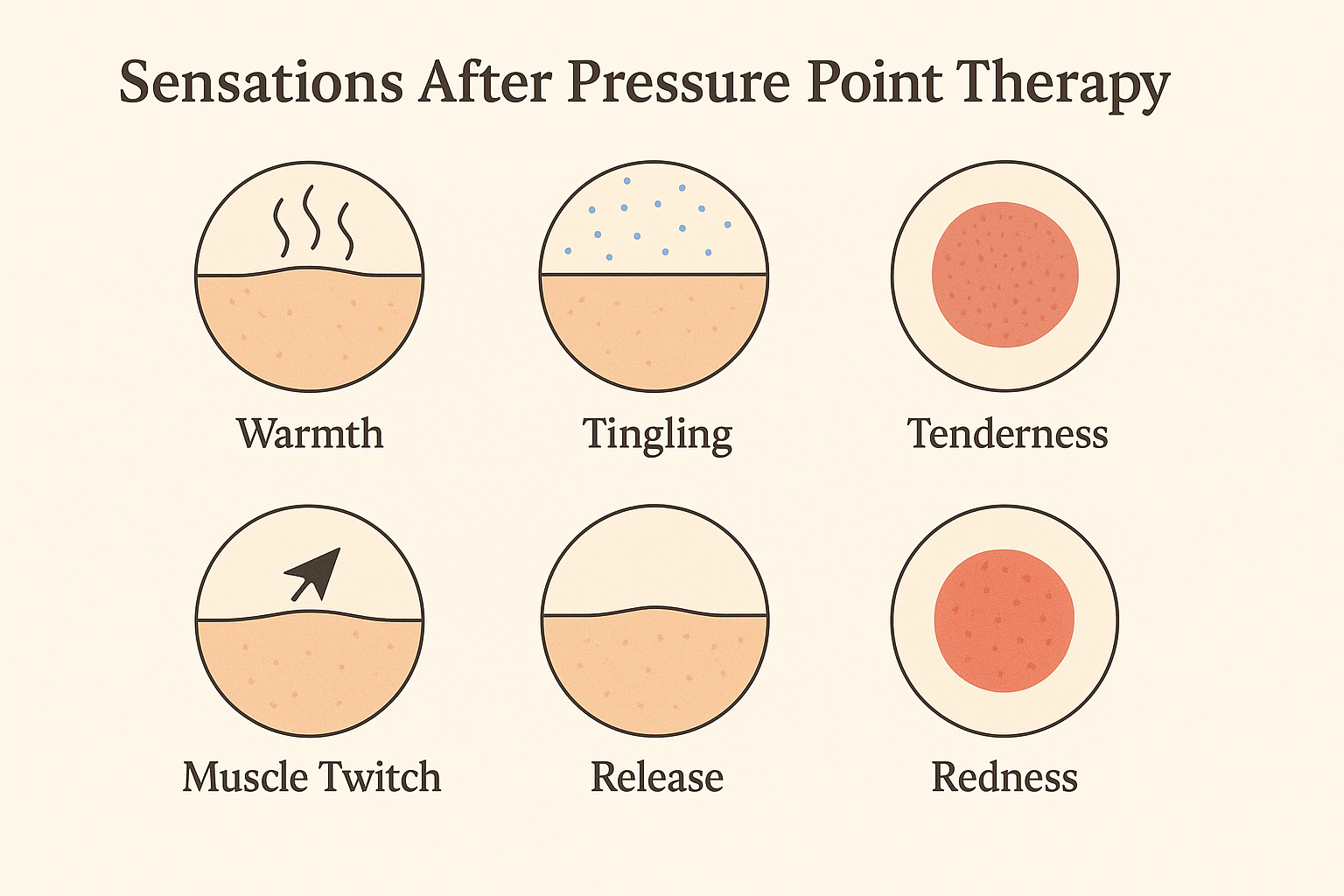
When applied correctly, pressure point therapy has very few side effects and is considered a gentle, low-risk technique. Most reactions are mild and short-lasting, such as slight tenderness, warmth, or temporary sensitivity around the area that was treated. These effects simply reflect increased circulation and the release of stored tension in the muscles and soft tissues. It’s helpful to let other healthcare providers know if an area feels tender after treatment so it isn’t mistaken for a new injury.
More noticeable discomfort can occur if too much pressure is applied or if a point is incorrectly located, which may irritate nerves or overstimulate sensitive tissue. Individuals with certain skin conditions may experience temporary redness or irritation, though this typically settles as the body adjusts and returns to balance. Overall, pressure point therapy is safe when carried out with proper technique and awareness of basic anatomy.
Applications of Pressure Point Therapy
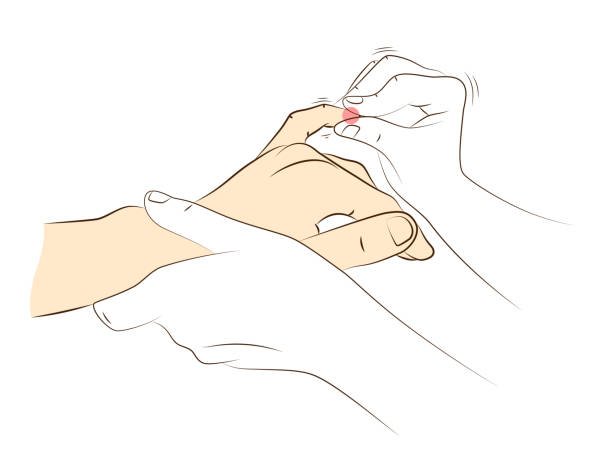
Pressure point therapy is a holistic technique recognised for its effects on muscular tension, nervous system balance, circulation, and overall well-being.
People frequently report improvements in headaches, neck and shoulder tightness, digestive discomfort, stress, and general muscular aches. Its gentle, low-risk nature makes it ideal for daily use.
Experienced Pressure Point Practitioner
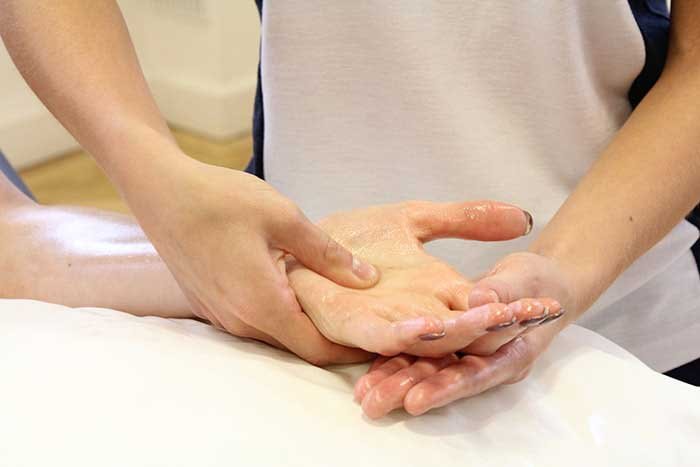
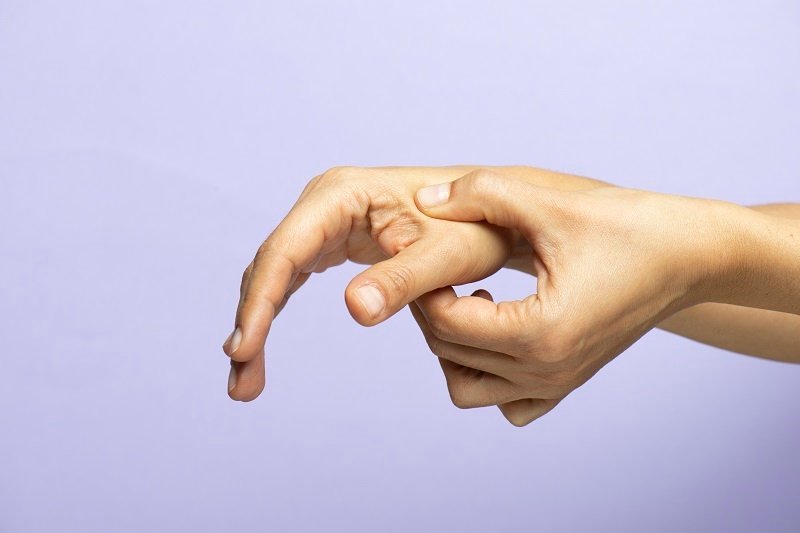
Most hands-on therapies require more than theoretical knowledge—they rely on judgement, sensitivity, and years of real-world experience. A new practitioner may know where points are located, but only someone seasoned in the craft can read subtle changes in the body, adjust pressure instantly, and guide a session based on precise physical cues.
Skilled therapists recognise patterns in muscle tone, tension pathways, and breathing rhythms. Over time, these insights reveal tight nerve clusters, emotional holding zones, and muscular chains responsible for discomfort or restricted movement.
Pressure Point Therapy Research & Development
Years of hands-on work and study have allowed us to map the effects of pressure point sequences on real-world issues people face every day. Combining meridian theory with modern anatomy and neuromuscular science, we’ve developed clear step-by-step treatment plans for pain relief, balance, and system support.
These structured plans—refined through practice and observation—are presented on this site in an accessible, practitioner-friendly format. Each sequence includes the exact points to use, how to combine them, and the lifestyle adjustments that enhance their effectiveness. With proper training, individuals can apply these techniques safely to support their own well-being.